Data and Interoperability

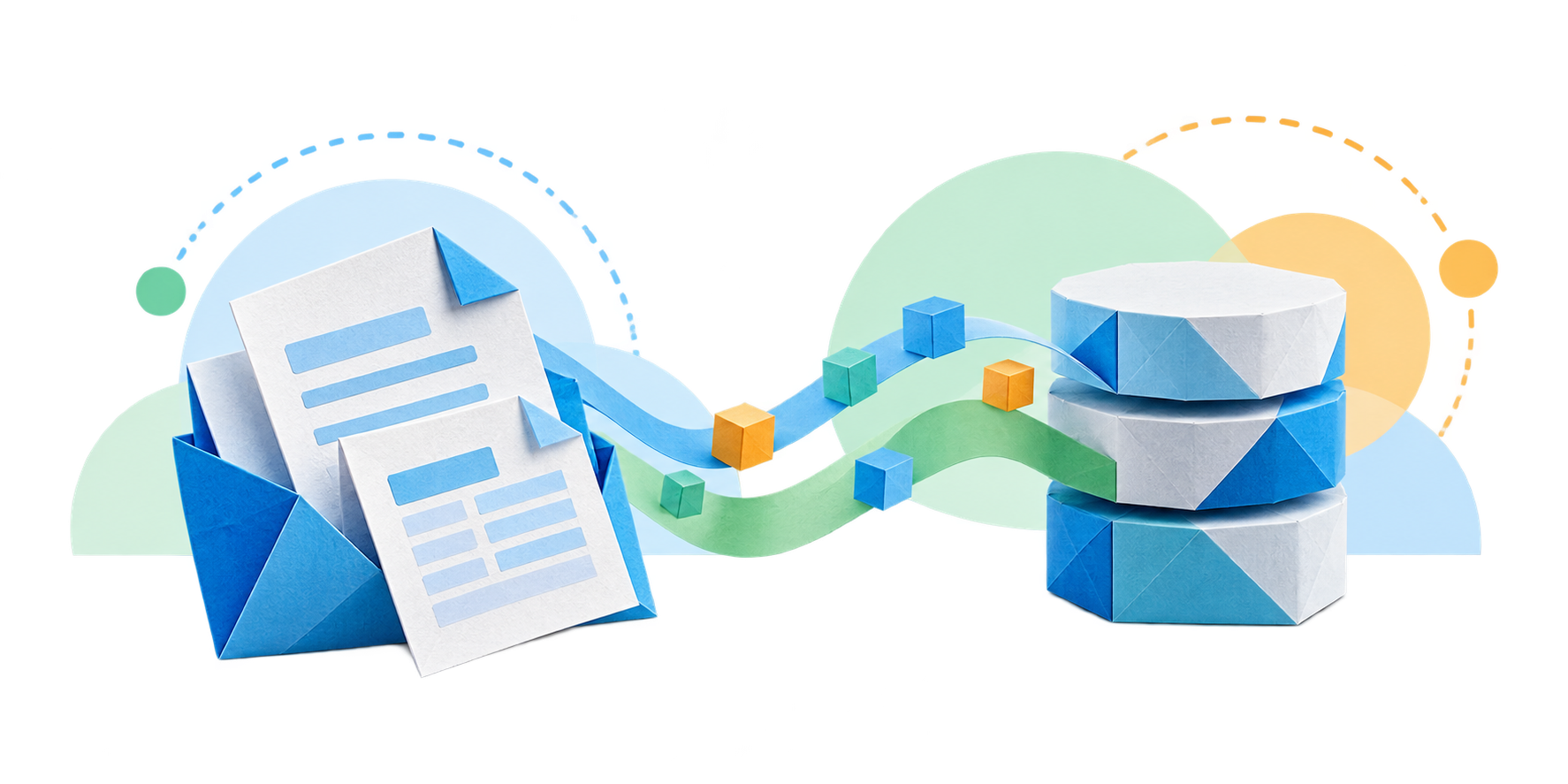
Connect systems, information and responsibilities so data can be used in operational processes.
LA COMPETENZA

Why interoperability matters

Information is more useful when teams can access it in the right context and understand where it comes from.

  • Reduce duplicate data entry
  • Make information available across processes
  • Clarify ownership and responsibilities

What we do

Practical work to connect information and systems.

01

Data analysis

Review sources, quality, meaning and ownership.
02

API and system integration

Design connections between systems and services.

03

Interoperability planning

Define how information should move across workflows.

04

Data quality

Improve the consistency and usability of operational information.

How we work

A structured process from context and priorities to delivery and improvement.

  1. 01

    Understand the context

    Review users, current tools, processes and needs.
  2. 02

    Set priorities

    Agree the outcomes, constraints and responsibilities.
  3. 03

    Design the approach

    Define the service, workflow or technical solution.
  4. 04

    Deliver progressively

    Implement and validate the agreed improvements.
  5. 05

    Review and evolve

    Measure results and plan ongoing support.

Where we apply this expertise

We connect information where it supports concrete work.

  • Public services and administrative processes
  • Business systems and operational workflows
  • Digital archives and document platforms
  • Data analysis and reporting

Benefits

  • Clearer processes and responsibilities
  • Digital tools aligned with operational needs
  • Information that is easier to use
  • A solution that can evolve over time

Let’s discuss data and interoperability

Start from your organisation’s needs and current operating context.

Together we can define a practical first step.